Friday, February 19, 2021
ALL ABOUT ISSAC NEWTON

Wednesday, January 27, 2021
How do Search Engine Work.
How do search engines work?
Search engines work by taking a list of known URLs, which then go to the scheduler. The scheduler decides when to crawl each URL. Crawled pages then go to the parser where vital information is extracted and indexed. Parsed links go to the scheduler, which prioritizes their crawling and re-crawling.
When you search for something, search engines return matching pages, and algorithms rank them by relevance.
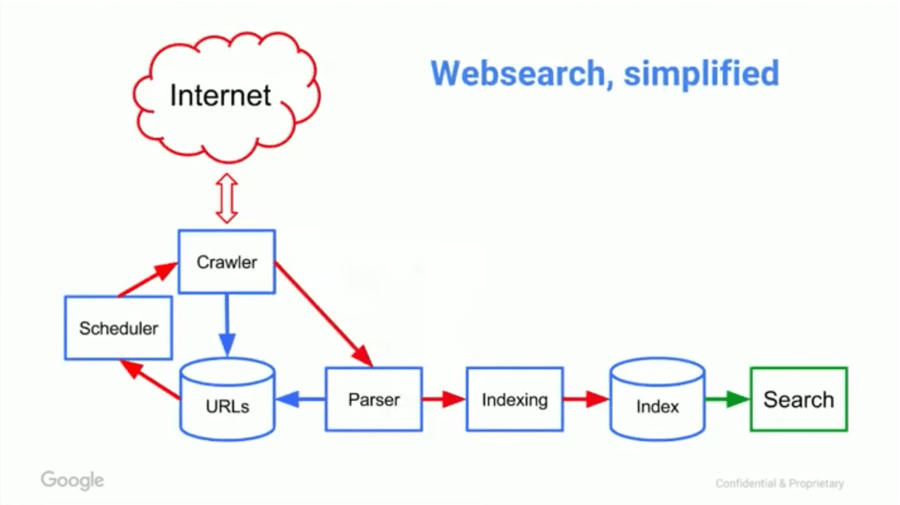
We’ll cover ranking algorithms shortly. First, let’s drill deeper into the mechanisms used to build and maintain a web index to make sure we understand how they work. These are scheduling, crawling, parsing, and indexing.
Scheduling
The scheduler assesses the relative importance of new and known URLs. It then decides when to crawl new URLs and how often to re-crawl known URLs.
Crawling
The crawler is a computer program that downloads web pages. Search engines discover new content by regularly re-crawling known pages where new links often get added over time.
For example, every time we publish a new blog post, it gets pushed to the top of our blog homepage, where there’s a link.
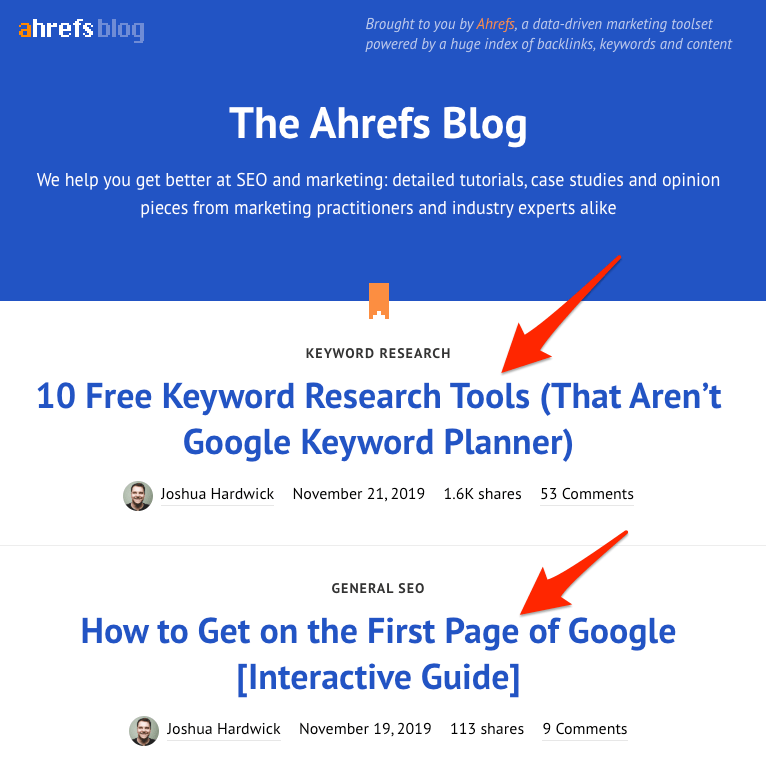
Showing links to our latest blog posts on the Ahrefs Blog homepage.
When a search engine like Google re-crawls that page, it downloads the content of the page with the recently-added links.
The crawler then passes the downloaded web page to the parser.
Parsing
The parser extracts links from the page, along with other key information. It then sends extracted URLs to the scheduler and extracted data for indexing.
Indexing
Indexing is where parsed information from crawled pages gets added to a database called a search index.
Think of this as a digital library of information about trillions of web pages.
Wednesday, January 20, 2021
About SEO(Search Engine Otimization)
What is SEO?
SEO stands for Search Engine Optimization, which is the practice of increasing the quantity and quality of traffic to your website through organic search engine results.
What goes into SEO?
To understand the true meaning of SEO, let's break that definition down and look at the parts:
- Quality of traffic. You can attract all the visitors in the world, but if they're coming to your site because Google tells them you're a resource for Apple computers when really you're a farmer selling apples, that is not quality traffic. Instead you want to attract visitors who are genuinely interested in products that you offer.
- Quantity of traffic. Once you have the right people clicking through from those search engine results pages (SERPs), more traffic is better.
- Organic results. Ads make up a significant portion of many SERPs. Organic traffic is any traffic that you don't have to pay for.
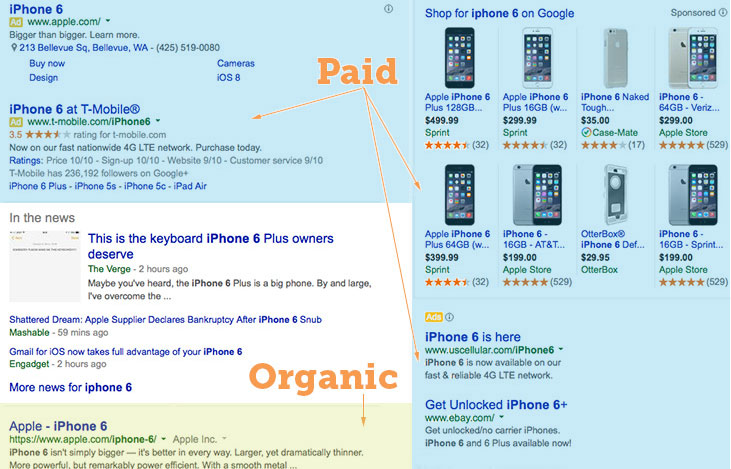
Organic search traffic is specifically any unpaid traffic that comes from SERPs.
How SEO works
You might think of a search engine as a website you visit to type (or speak) a question into a box and Google, Yahoo!, Bing, or whatever search engine you're using magically replies with a long list of links to webpages that could potentially answer your question.
That's true. But have you ever stopped to consider what's behind those magical lists of links?
Here's how it works: Google (or any search engine you're using) has a crawler that goes out and gathers information about all the content they can find on the Internet. The crawlers bring all those 1s and 0s back to the search engine to build an index. That index is then fed through an algorithm that tries to match all that data with your query.
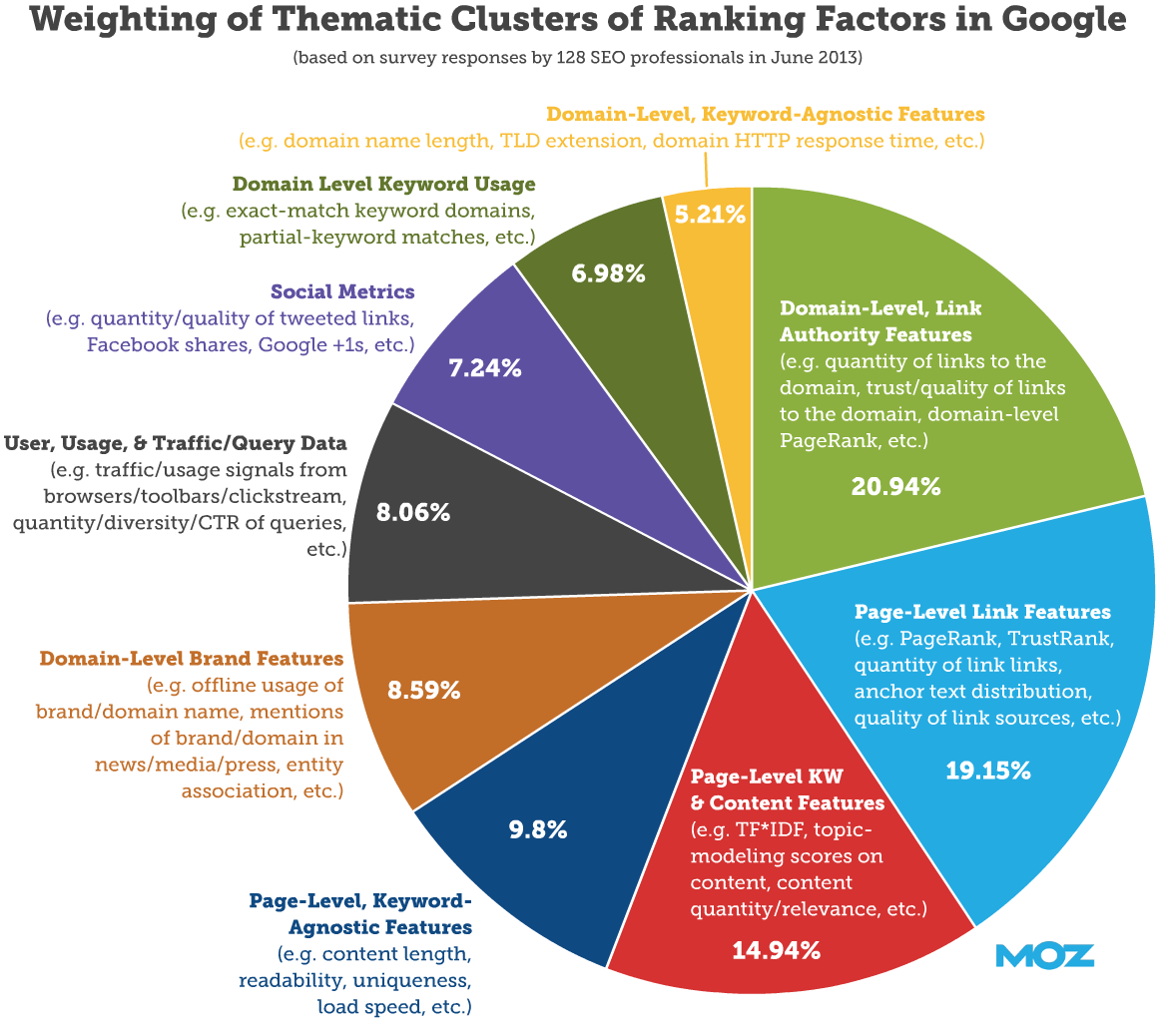
There are a lot of factors that go into a search engine's algorithm, and here's how a group of experts ranked their importance:
Wednesday, January 13, 2021
Did YOU know?
Did YOU Know?

The Eiffel Tower was built by GUSTAVE EIFFEL for the 1889 exposition universelle to celebrate the centennial anniversary of the french revolution.
 Its construction in two years ,two months,and five days was a technical and architectural achievement.
 Untial the completion of the Chrysler Building in New York,1930,the Eiffel Tower was the world tallest building.
 THE oldest imitation of the Eiffel Tower is Blackpool Tower in Lancashire[England].
Monday, January 11, 2021


-
SOME INTRESTING FACT'S
-
How do search engines work? Search engines work by taking a list of known URLs, which then go to the scheduler . The scheduler decides wh...
-
What is SEO? SEO stands for Search Engine Optimization , which is the practice of increasing the quantity and quality of traffic to your...

